Choose the ice first
| Ice type | Character | Typical use |
|---|---|---|
| Full cube | Large, dense, slow to melt | Drinks, bars, bagged ice |
| Half cube (dice) | Smaller, packs a glass tightly | Soft drinks, breakrooms, general use |
| Gourmet or top-hat | Clear, round, slow melting | Upscale bars and restaurants |
| Nugget (chewable) | Soft, compressed flake, absorbs flavor | Healthcare, offices, drinks people chew |
| Flake | Soft, moldable, cools fast | Food display, seafood, therapy packs |
Most machine models make only one type, so the ice decides the shortlist. Offices and breakrooms usually pick half cube or nugget; nugget machines are popular with staff but cost more.
Air-cooled, water-cooled or remote
Every ice machine removes heat from water to freeze it, and has to put that heat somewhere.
- Air-cooled. A fan blows room air across the condenser. It is the cheapest to buy and install, and the usual choice. It heats the room, and it needs clearance around the vents. In a hot, cramped or greasy space it makes less ice and wears out faster.
- Water-cooled. Water carries the heat away. It is quieter and puts no heat into the room, but single-pass designs send a large volume of water down the drain. Some cities and water utilities restrict or ban single-pass water-cooled equipment, so check locally. A closed-loop system connected to a building's chilled water or cooling tower avoids the waste.
- Remote condenser. The condenser sits outside or on the roof. The room stays cool and quiet, at the cost of a larger installation with refrigerant lines run by a refrigeration contractor.
Sizing production and storage
Production is quoted in pounds of ice per 24 hours. Manufacturers often quote a figure at ideal conditions (cool air, cold incoming water) and a lower one at 90°F air and 70°F water. Plan on the lower number if the machine will sit in a warm back room or you are in a hot climate.
Storage is a separate number. The machine head makes the ice; the bin holds it. A modular head sits on a bin you choose; an undercounter or self-contained unit has both in one cabinet. Size the bin to cover your peak, then let the machine refill it overnight. A small head on a large bin often beats a large head on a small bin.
Leave headroom. Buy for your busiest day in summer, not an average day, and add some margin for growth.
Water, drain and power
- Water filter. A filter with a scale inhibitor is the single best thing you can do for an ice machine. Scale on the evaporator slows ice production and causes most service calls. Change the cartridge on schedule.
- Drain. Ice machines need a gravity drain or a drain pump. Food safety and plumbing codes generally require an air gap between the machine's drain line and the building drain, so waste water cannot siphon back into the bin.
- Electrical. Small undercounter units run on 115 V. Larger heads often need 208/230 V on a dedicated circuit.
- Ventilation. Follow the clearances in the installation manual for air-cooled units. A machine pushed tight against a wall runs hot.
Cleaning and sanitizing
Ice is treated as food under the FDA Food Code adopted by most states, and the machine and bin are food-contact surfaces. Health inspectors look inside ice bins. Two jobs, often confused:
- Cleaning (descaling) removes mineral scale from the evaporator and water system, using the nickel-safe cleaner the manufacturer specifies.
- Sanitizing kills bacteria, mold and slime in the water system, bin and chute, using an approved sanitizer.
Most manufacturers call for both at least every six months, and more often in hard water, dusty or yeasty environments such as bakeries and breweries. Wipe the bin and scoop area weekly. Some machines add ozone or UV units to slow growth between cleanings. They help, but the scheduled clean still applies.
Buy, lease or rent
Ice machines are sold outright, leased, or rented with maintenance included. Rental plans that bundle cleaning, filter changes and repairs suit sites with no one to own the job. Compare the total over three to five years against purchase plus a service contract. A machine's life depends heavily on its water and its cleaning history.
Federal energy conservation standards set minimum efficiency for automatic commercial ice makers, and ENERGY STAR certifies models that do better. Our ice machine register lists certified models with their rated production and energy use.
The costs people miss
- Plumbing: water line, filter housing, drain and air gap.
- An electrician, if the machine needs a dedicated or higher-voltage circuit.
- Water use on water-cooled models, and any local surcharges.
- Filter cartridges and cleaning chemicals.
- Twice-yearly professional cleaning if staff will not do it.
For drinks, see water coolers and office coffee machines.
Before you buy
- Pick the ice type.
- Estimate peak daily use and size production at 90°F air and 70°F water.
- Size the bin to cover the busiest service period.
- Check the site: ambient temperature, clearance, water line, drain and circuit.
- If water-cooled, check local rules on single-pass water use.
- Budget a water filter with scale inhibitor.
- Name who will clean and sanitize it, and on what schedule.
Undercounter commercial ice machines
Affiliate linksSelf-contained ice machines that fit under a counter. Check production at 90F air and 70F water, and plan for a drain.

EUHOMY
EUHOMY Commercial Ice Maker Machine, 100lbs/24H Stainless Steel Under Counter ice Machine with 33lbs Ice Storage Capacity, Freestanding Ice Maker.

EUHOMY
EUHOMY Under Counter Ice Maker with Drain Pump, 110 lbs/24H Commercial Ice Machine, Stainless Steel Ice Maker with 33 lbs Storage Bin, Freestanding Ice Maker for Home/Bar/Cafe/Restaurant

Mojgar
Mojgar Commercial Ice Maker Machine, 450 lbs/24H, 120 lbs Bin, Undercounter

Coolake
Coolake Commercial Ice Maker 200 lbs/24H, Under Counter Ice Machine with 50 lbs Ice Storage, Air Cooled, Self Contained Condenser, Stainless Steel Freestanding Ice Maker Machine for Home Bar Garage
Prices retrieved from Amazon on 2026-09-29 and may since have changed; the price on Amazon at the time of purchase is the one that applies. As an Amazon Associate we earn from qualifying purchases, at no extra cost to you. No manufacturer pays for a place in this list.
Ice machine cleaner and sanitizer
Affiliate linksNickel-safe cleaner and sanitizer for scheduled ice machine cleaning. Use the product your machine's maker specifies.
GE
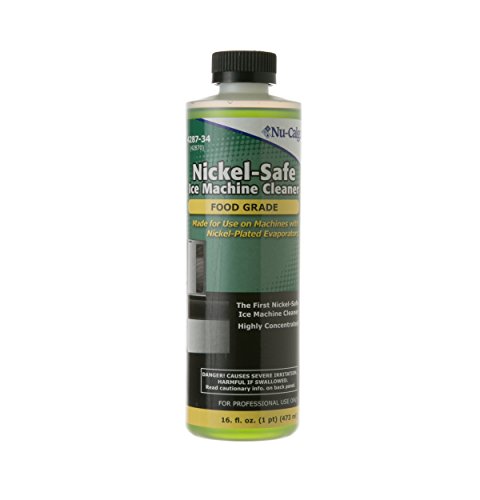
Nu-Calgon 4287-34 Nickel Safe Ice Machine Cleaner-16 fl. oz

Essential Values
Essential Values Ice Machine Cleaner and Descaler, 2 Pack x 16 fl oz, Nickel Safe Descaler, Ice Maker Cleaner Compatible with All Major Brands (Scotsman, KitchenAid), Made in the USA

Nu-Calgon
Nu Calgon Ice Machine Cleaner Nickel Safe 4287-34 (Original Version)

ACTIVE
ACTIVE Ice Machine Cleaner Maker Descaler - 32 fl oz (8 Uses) Nickel Safe Ice Maker Cleaner Solution - Compatible with Whirlpool 4396808, Scotsman,Manitowoc,Hoshizaki, GE Opal Cleaning Kit - USA Made
Prices retrieved from Amazon on 2026-09-29 and may since have changed; the price on Amazon at the time of purchase is the one that applies. As an Amazon Associate we earn from qualifying purchases, at no extra cost to you. No manufacturer pays for a place in this list.