Pouch thickness
Pouches are measured in mil, thousandths of an inch, per side. 3 mil is flexible and fine for signs and menus that get handled lightly. 5 mil is stiffer and stands up to daily handling. 7 and 10 mil are rigid, for ID cards and anything that lives outdoors. Check the thickest pouch the laminator accepts: many small models stop at 5 mil.
Throat width
The widest item the machine takes. A 9-inch laminator handles letter-size documents fed short edge first. A 12- or 13-inch model takes letter and legal comfortably, and anything larger needs a roll laminator.
Rollers
Two rollers are enough for occasional use. Four or six give a flatter, clearer finish with fewer bubbles, and heat more evenly on thicker pouches.
Warm-up time and cold mode
Small laminators take three to five minutes to heat; better ones are ready in about one. A cold setting, used with self-adhesive cold pouches, protects items that heat would damage, such as some photographs and thermal paper receipts.
Two habits that save pouches
- Feed the sealed edge first, square to the rollers.
- Use a carrier sheet if the maker recommends one; it keeps adhesive off the rollers.
Pouch laminators
Affiliate linksPouch thickness (3 mil or 5 mil) and warm-up time matter more than the brand. A 12-inch throat takes letter and legal.
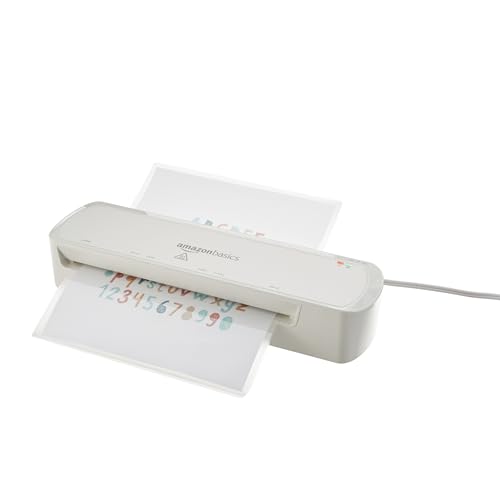
Amazon Basics
Amazon Basics 9-Inch Thermal Laminator Machine with Quick Warm-Up, 2 Heat Settings, Jam Release for Documents and Photos, White
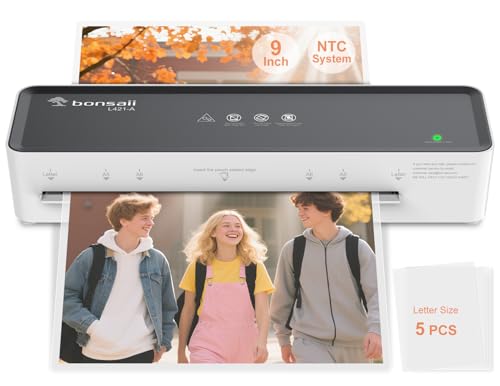
bonsaii
Bonsaii 9 Inch Thermal Laminator Machine, Compact Photo Laminating Tool

Scotch
Scotch Thermal Laminator, 2 Roller System for a Professional Finish, Use for Home, Office or School, Suitable for use with Photos (TL901X)
Prices retrieved from Amazon on 2026-09-29 and may since have changed; the price on Amazon at the time of purchase is the one that applies. As an Amazon Associate we earn from qualifying purchases, at no extra cost to you. No manufacturer pays for a place in this list.