Match the pot to the food
| Pot | Design | Best for |
|---|---|---|
| Open pot | Heating elements or burners outside a V-shaped pot, a cold zone below | Fries and lightly breaded foods; easy to clean |
| Tube-type | Gas tubes run through the oil, sediment falls to a deep cold zone | Heavily breaded chicken and fish |
| Flat-bottom | Shallow flat pot, no cold zone | Floating foods: donuts, tempura, funnel cakes |
| Pressure fryer | Sealed lid cooks under pressure | Bone-in fried chicken |
The cold zone matters. Crumbs and breading sink below the heat into cooler oil, where they burn more slowly and foul the oil less. Heavy breading wants a deep cold zone (tube-type). Flat-bottom fryers have none, so they suit batter-free foods that float. Many kitchens run more than one type side by side, and keep fish in its own vat so its flavor does not carry into fries.
Oil capacity and throughput
Fryers are rated by oil capacity in pounds, commonly from around 15 lb for countertop units to 40 to 50 lb for typical floor models and more for large vats. Oil capacity drives recovery: the more oil per pound of food, the less the temperature drops when a cold basket goes in. Manufacturers quote production in pounds of fries per hour. Compare that to your peak hour, not your daily total.
Bigger is not always better. A half-empty large vat still has all its oil breaking down. Several smaller vats, or split-pot fryers with two small pots in one cabinet, let you run the number you need and keep foods apart. Newer low-oil-volume fryers hold less oil for the same output and top themselves up automatically, cutting how often oil is discarded.
Filtration pays for itself
Filtering removes crumbs and extends oil life. Without it, oil darkens and foams sooner and gets dumped sooner.
- Built-in filtration. A pump under the fryer bank drains, filters and returns oil in a few minutes. Staff filter several times a day because it is easy.
- Portable filter machine. A cart that serves several fryers. Cheaper up front, slower, and staff filter less often.
- Oil management service. Suppliers can install bulk fresh-oil tanks and waste-oil tanks piped to the fryers, so no one carries hot oil. It suits high-volume sites.
Test strips or oil quality sensors tell staff when oil needs changing, instead of guessing by color.
Gas or electric
Gas fryers are more common in US restaurants and suit sites where gas is cheap. Electric fryers put heating elements directly in the oil, tend to transfer heat more efficiently, and recover quickly; they often need a large 208/240 V circuit. Choose by what is already at the fry station, your utility rates, and the capacity of the gas line or electrical panel. Either way, efficiency varies widely between models, and the high-efficiency ones use noticeably less fuel over years of all-day operation.
Hood and fire suppression
A fryer produces grease-laden vapor. Local mechanical and fire codes, generally based on NFPA 96, require it to sit under a grease exhaust hood with a fire suppression system over the cooking line. In restaurants these are typically wet-chemical systems listed to UL 300, with nozzles aimed at each appliance. A portable Class K extinguisher for cooking oil fires is also expected near the fryers.
- Adding or moving a fryer can require moving suppression nozzles, since each nozzle covers a specific appliance and position. Call your fire suppression contractor before rearranging the line.
- The system and hood need inspection and cleaning on a schedule set by code and your insurer.
- Keep open-flame appliances apart from fryers as the code and manufacturer require, or use a splash guard.
Energy and rebates
ENERGY STAR certifies commercial gas and electric fryers that cook more efficiently and waste less energy at idle. Certified fryers often qualify for rebates from gas or electric utilities; check with your local utility first. Compare certified models in our fryer register.
The costs people miss
- Oil, by far the largest running cost.
- Moving or adding fire suppression nozzles.
- Gas line or electrical upgrades.
- More frequent hood cleaning as fryer volume rises.
- Waste oil collection, often free or paid to you by a renderer.
- Baskets, covers, crumb scoops and a fry dump station.
Related: griddles, hot holding cabinets and leasing kitchen equipment.
Before you buy
- Pick the pot type by food: open pot, tube, flat-bottom or pressure.
- Size oil capacity and vat count from peak-hour production.
- Choose built-in filtration if you fry all day.
- Choose gas or electric by utility rates and the existing supply.
- Confirm with your suppression contractor that the hood and nozzles cover the new layout.
- Price oil for a year, not just the fryer.
- Ask your utility about ENERGY STAR rebates.
Fryer oil test strips
Affiliate linksStrips that measure oil breakdown tell staff when to change oil, instead of guessing by color.
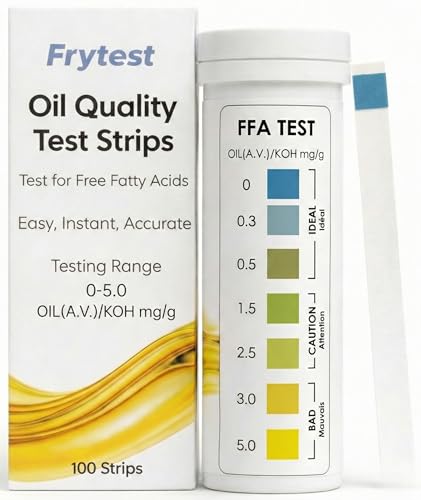
FryTest
Frying Oil Test Strips FFA - Oil Quality Test for Deep Fryers - 100 Strips

MirOil
MirOil Fryer Oil Quality Test Strips 50 Count - FFA Commercial Oil Test Kit
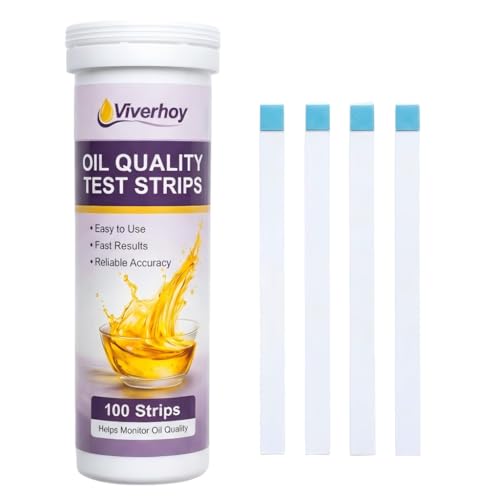
Viverhoy
Viverhoy Deep Fryer Oil Test Strips 100 Count - Oil Quality Test Strips for Cooking & Frying Oil, FFA Oil Tester for Restaurants, Food Trucks & Commercial Kitchens

HYDRION
HYDRION Oil Quality Test Strips - Deep Fryer Oil Quality Testing Strips Kit Measure Free Fatty Acid in Oil - Monitor Oil for Clean Clear Oil in Kitchens & Restaurants - 50 Strips in a Single Vial
Prices retrieved from Amazon on 2026-09-29 and may since have changed; the price on Amazon at the time of purchase is the one that applies. As an Amazon Associate we earn from qualifying purchases, at no extra cost to you. No manufacturer pays for a place in this list.
Fryer filter paper and cones
Affiliate linksFilter media for built-in and portable fryer filtration. Check the size matches your filter pan.

NACHLYNN
NACHLYNN Fryer Oil Filter, 50pcs Cooking Oil Filter 10 inch Non-Woven Filter Cones Grease Filter Cones Kitchen Oil Filters Maple Syrup Filters Beeswax Filters for Restaurant Kitchen Cafe Hotel

TezPak
(100 Pack) Commercial 10" Deep Fryer Oil Filters, Maple Syrup Filters, Beeswax Filters, Grease Filter Cones, Best For Restaurants, Cafes, Food Trucks, Hotels

GEEX DEPOT
(100 Filters) Commercial Deep Fryer Oil Filter Paper Cones, 100 Count, with 10 inch Chrome-Plated Steel Filter Holder Stand, cooking oil filters Non-Woven Premium Cones

Tarmeri
10" Deep Fryer Oil Filter Stand with 20 Filter Papers, Stainless Steel Fryer Grease Strainer Cone Holder for Reuse Cooking Oil, Fits Buckets Pots Commercial Fryers
Prices retrieved from Amazon on 2026-09-29 and may since have changed; the price on Amazon at the time of purchase is the one that applies. As an Amazon Associate we earn from qualifying purchases, at no extra cost to you. No manufacturer pays for a place in this list.