Size by racks per hour at your busiest hour
| Type | How it works | Typical fit |
|---|---|---|
| Undercounter | One rack at a time, fits under a counter | Bars, cafes, small restaurants, offices |
| Door-type (upright) | Hood lifts, racks slide through from a dish table | Most full-service restaurants |
| Conveyor (rack) | Racks travel through wash and rinse tanks | High volume: hotels, schools, hospitals |
| Flight-type | Dishes ride a continuous belt, no racks | Very large institutional kitchens |
Count covers at the peak hour, multiply by the plates, glasses, cups and utensils each cover uses, and divide by what fits in a rack. Manufacturers quote a racks-per-hour rating at ideal cycle times; real throughput is lower because racks have to be loaded, scraped and unloaded. Leave a margin. A machine that runs flat out at every dinner rush leaves the dish pit backed up and staff grabbing wet plates.
A door-type machine also needs a soiled dish table with a scrap area and a clean table on the other side. The tables often cost as much planning as the machine, so measure the pit before choosing a corner or straight-through layout.
High-temp or low-temp
- High-temperature. The final rinse is hot enough to sanitize on its own, typically around 180°F at the rinse arms. Building water heaters do not deliver that, so the machine uses a booster heater, built in or separate, to raise incoming hot water. Dishes come out hot and flash dry, and there is no sanitizer chemical to buy. The costs are the electrical supply for the booster (often a large dedicated circuit), heat and steam in the room, and in many cases a hood above the machine.
- Low-temperature (chemical). The machine washes and rinses at lower temperatures and injects a chemical sanitizer, usually chlorine, into the final rinse. It is cheaper to buy and install, with no booster and less heat. You pay instead in sanitizer every day, slower drying, and some wear on items that react badly to chlorine, such as certain metals. Many low-temp machines are leased from the chemical supplier as part of the chemical contract.
High-temp tends to win on busy kitchens that value dry dishes and fast turnaround. Low-temp tends to win on bars, small operations, and sites where adding electrical capacity is expensive. Get a quote for the electrical work before deciding, since a booster can need a service upgrade.
Water, chemicals and drains
Water use per rack is one of the main differences between models. Newer machines reuse tank water and use much less fresh water per rack than older designs. Since every gallon a high-temp machine uses is heated twice (by the water heater and the booster), water per rack drives energy cost too. Compare the rated gallons per rack on any shortlist.
- Water hardness. Hard water leaves spots and scales the booster and heating elements. A softener or scale treatment on the feed pays for itself in fewer service calls.
- Chemicals. Detergent, rinse aid, and on low-temp machines, sanitizer, are pumped in by dispensers. Chemical suppliers usually install and maintain the pumps as part of the supply contract.
- Drain. Local plumbing codes may require a grease interceptor or specific drain connections. Your plumber will know.
- Ventilation. High-temp door and conveyor machines release steam. Local mechanical codes may require a hood or condensate hood; some machines have heat-recovery units that reduce the steam.
Food safety and certification
The FDA Food Code, adopted by most states, sets the temperatures and sanitizer concentrations dish machines must reach. The machine needs gauges showing wash and rinse temperatures, and low-temp operators need test strips to confirm sanitizer concentration. Inspectors check both, and they may use a temperature label or plate thermometer run through a cycle on a high-temp machine. Health departments generally expect the machine to be certified to NSF/ANSI 3, the standard for commercial warewashing equipment.
Energy and rebates
ENERGY STAR certifies commercial dishwashers that use less water and energy per rack, and certified models often qualify for rebates from electric, gas or water utilities. Check with your local utilities before buying. See certified models in the commercial dishwasher register.
The costs people miss
- Electrical work for a booster heater.
- Dish tables, pre-rinse spray valve and racks.
- A hood or condensate hood over high-temp machines, where required.
- Water softening or scale treatment.
- Daily chemical cost on low-temp machines.
- Deliming, often monthly or more in hard water areas.
Also read commercial water heaters (the booster starts from what the building supplies) and restaurant equipment leasing.
Before you buy
- Estimate racks per hour at the peak and add margin.
- Measure the dish pit, table layout and door direction.
- Choose high-temp or low-temp after pricing the electrical work.
- Compare gallons per rack across the shortlist.
- Confirm NSF/ANSI 3 certification.
- Check hood, drain and water treatment requirements with your contractor.
- Ask your utilities about ENERGY STAR rebates.
Sanitizer and dish machine test strips
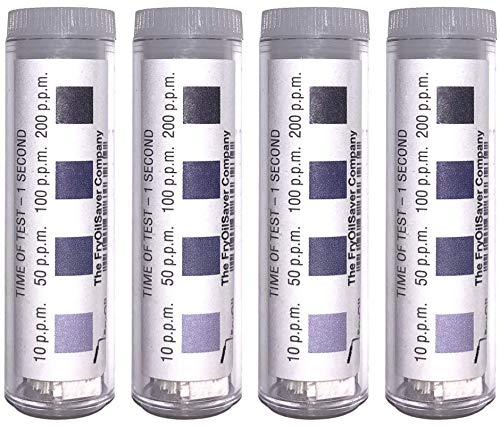
Affiliate linksChlorine strips confirm low-temp machine sanitizer strength. Temperature labels verify a high-temp final rinse.
THE FRYOILSAVER COMPANY
FryOilSaver Co. Chlorine Test Strips, 0-200PPM, 4x100 Sanitizer Strips

THE FRYOILSAVER COMPANY
FryOilSaver Sanitizer Test Kit Combo, 100x QR5 & 100x Chlorine Test Strips

TwinStrip
TwinStrip 2-in-1 Quat & Chlorine Sanitizer Test Strips, 100 Count

THE FRYOILSAVER COMPANY
FryOilSaver Quat Sanitizer Test Strips for Sanitizing Solution, 100 Pack
Prices retrieved from Amazon on 2026-09-29 and may since have changed; the price on Amazon at the time of purchase is the one that applies. As an Amazon Associate we earn from qualifying purchases, at no extra cost to you. No manufacturer pays for a place in this list.